Winter can be one of the most challenging seasons for asphalt pavement.
Freezing temperatures, moisture, snow, and ice can accelerate existing damage and create new pavement problems. Knowing what to look for can help property owners address issues early and avoid more extensive repairs.
Here are some common pavement failures to watch for during the colder months.
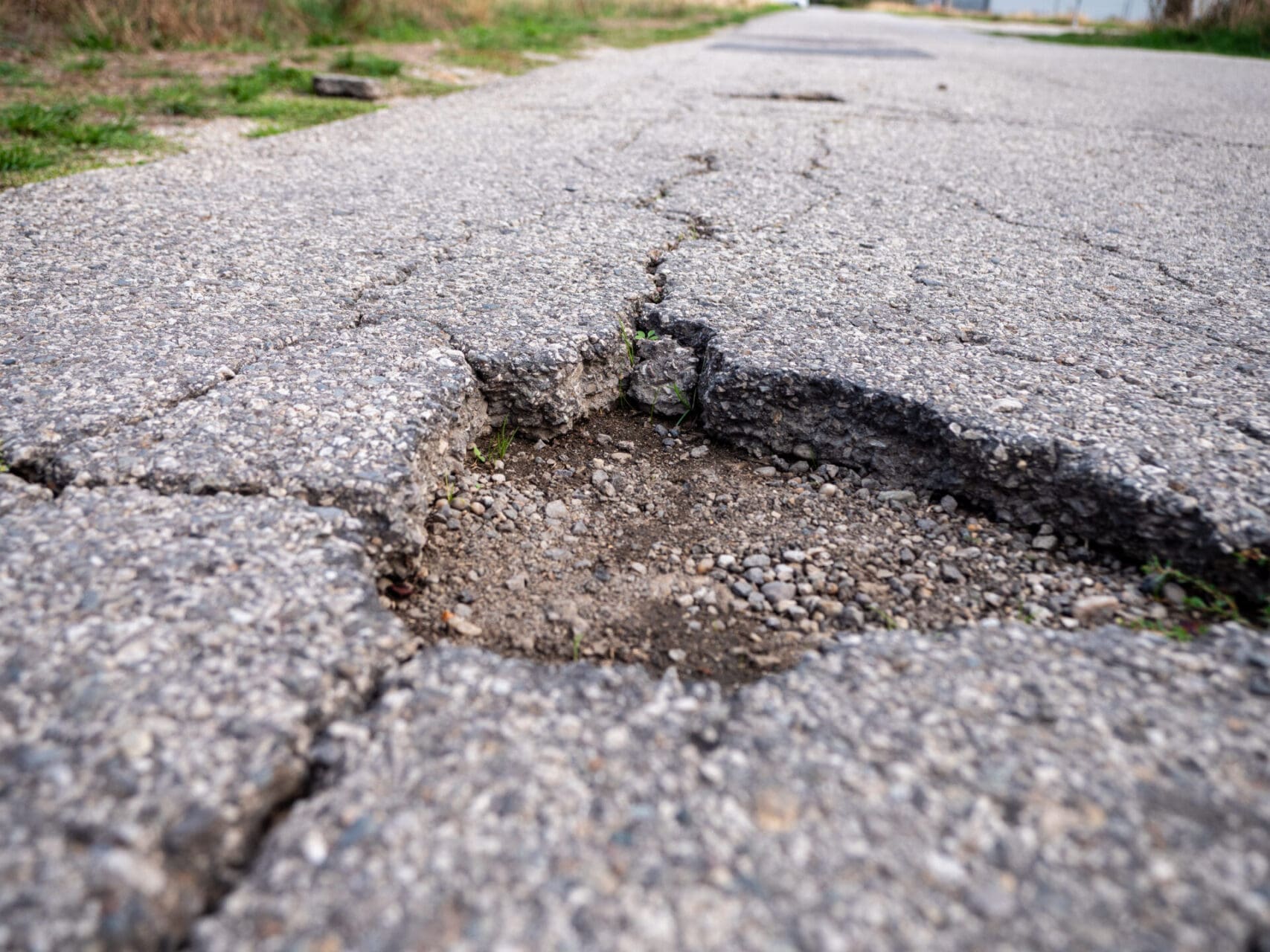
Potholes
Potholes often develop when water enters cracks in the asphalt, freezes, and expands. As temperatures fluctuate, the pavement weakens, eventually causing pieces of asphalt to break away. Heavy traffic can make the damage worse.
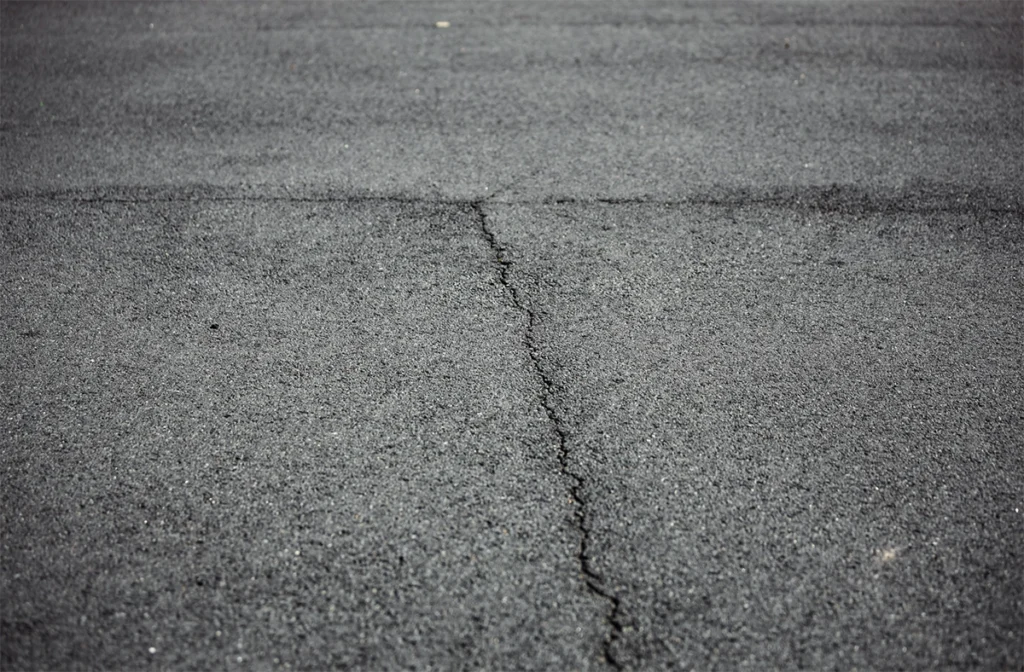
Expanding Cracks
Small cracks can quickly become larger during winter. Water enters the openings, freezes, and expands, placing pressure on the surrounding asphalt. Without proper maintenance, these cracks can spread across the pavement surface.
Alligator Cracking
Alligator cracking appears as a series of interconnected cracks that resemble a reptile’s scales. This type of damage often indicates structural problems beneath the pavement and can worsen when exposed to repeated moisture and temperature changes.
Surface Deterioration
Repeated exposure to harsh weather and traffic can cause asphalt to lose its surface integrity. This may result in loose aggregate, rough patches, and weakened pavement.
Drainage Problems
Poor drainage allows water to collect on paved surfaces. During winter, standing water can freeze and create slippery conditions while contributing to additional pavement damage.
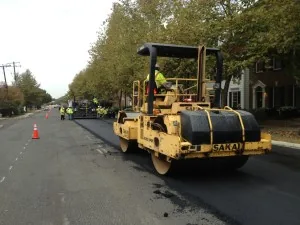
The best way to minimize winter pavement problems is to stay ahead of maintenance. Addressing cracks, potholes, and drainage concerns before they become more severe can help extend the life of your asphalt.
At Finley Asphalt & Concrete, we help property owners identify pavement concerns and find solutions that keep their surfaces safe, functional, and dependable.