Best Soil Stabilization Company in the Mid-Atlantic
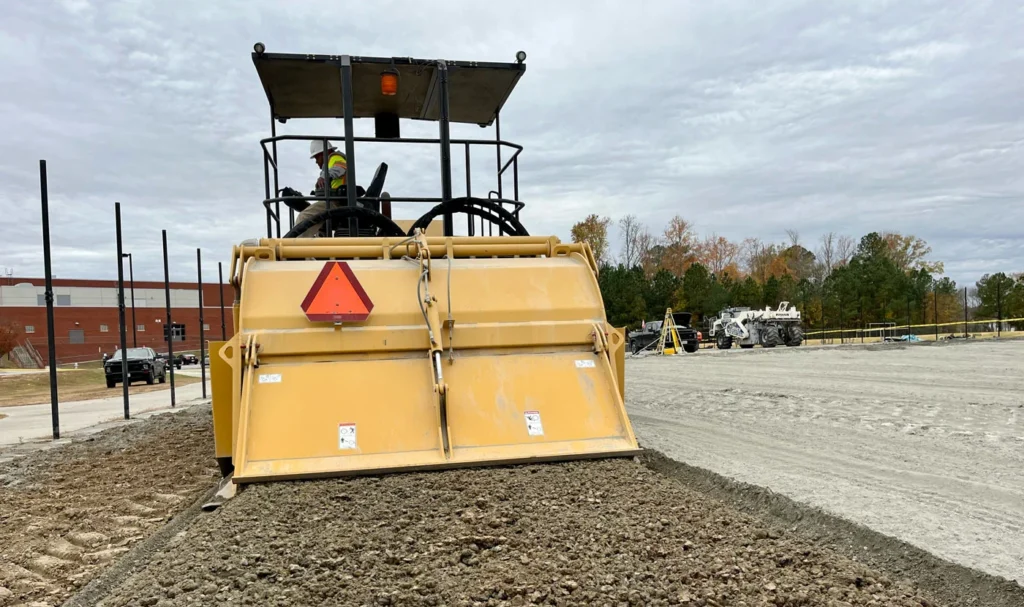
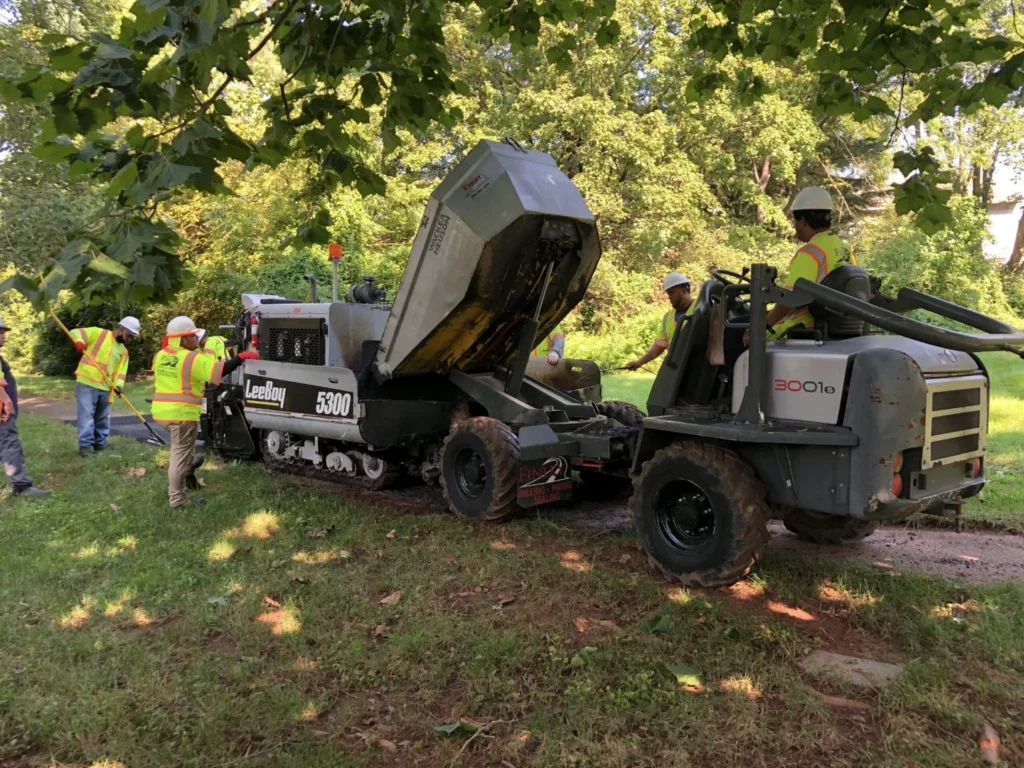
Soil plays a big role in the lifespan of your pavement. In other words, the durability of your pavement is influenced by the soil beneath its surface. If the soil is unstable, a Finley contractor will have to mix materials to stabilize the soil, creating a solid foundation.
Soil stabilization is commonly used by property owners, developers, engineers, contractors, and municipalities when existing soil conditions cannot adequately support the planned project.
The cost of soil stabilization depends on the existing site conditions, the stabilization method selected, and the amount of material requiring treatment. Every project begins with an evaluation of the subgrade to determine the most effective and economical solution.
Soil Conditions
Weak, saturated, expansive, or highly unstable soils typically require more treatment than soils with minor deficiencies.
Depth of Treatment
The deeper the stabilization requirements, the more material, equipment, and labor are needed to achieve the desired structural performance.
Project Size
Larger stabilization projects often benefit from economies of scale, while smaller projects may have higher costs on a per square foot basis.
Stabilization Material Selection
Lime, cement, fly ash, and other stabilization methods have different material and application costs depending on project requirements.
Moisture Content
Excessive moisture can increase site preparation requirements and impact the amount of stabilization material needed.
Access & Site Conditions
Restricted access, utility conflicts, environmental requirements, and active facility operations can influence project complexity and costs.
Why Property Owners Invest In Soil Stabilization
Soil stabilization can help reduce excavation requirements, improve subgrade performance, minimize future pavement failures, and create a stronger foundation for long term pavement performance. In many cases, stabilization provides a more cost effective alternative to removing and replacing unsuitable soils.
Every site presents unique soil conditions. Our team evaluates subgrade performance, project requirements, and site constraints to determine the most effective stabilization approach.
Soil stabilization is the process of improving weak or unstable soils to increase strength, improve load bearing capacity, and create a more reliable foundation for pavement and construction projects.
When Is Soil Stabilization Necessary?
Soil stabilization is typically needed when soils are too soft, wet, expansive, or unstable to support the planned pavement, roadway, or structure.
How Long Does Soil Stabilization Last?
When properly designed and installed, soil stabilization can provide long term performance for decades as part of the overall pavement structure.
Is Lime Stabilization Better Than Cement Stabilization?
Neither is universally better. Lime is often used for clay soils, while cement stabilization is commonly selected to increase strength in a wider range of soil conditions.
Can Soil Stabilization Reduce Construction Costs?
Yes. Soil stabilization can often reduce costs by minimizing excavation, lowering material import requirements, reducing hauling expenses, and shortening construction schedules.
Does Soil Stabilization Improve Drainage?
Soil stabilization can help improve subgrade performance and reduce moisture related issues, contributing to better overall drainage and pavement longevity.
Can You Stabilize Existing Parking Lot Subgrades?
Yes. Existing parking lot subgrades can often be stabilized during reconstruction, rehabilitation, or pavement replacement projects when underlying soil issues are identified.
Our Service Areas
Virginia’s Premier Paving & Concrete Provider
Finley Asphalt & Concrete is the trusted name for reliable maintenance, repair, and installation services in communities throughout the Mid-Atlantic.
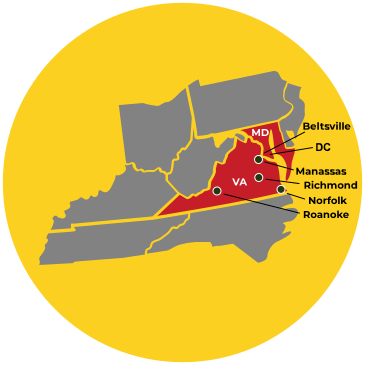
As your locally owned and operated paving provider, we serve clients throughout Virginia, West Virginia, North Carolina, DC, and Maryland. Wherever you are, we’ll come to you. Our local knowledge allows us to make decisions in the best interest of your specific project.
Our Offices:
DC Metro
9469 Hawkins Dr, Manassas, VA 20109 P.O. Box 1710 Manassas, VA 20108
Central VA
12196 Washington Hwy Ashland, VA 23005 PO Box 27385 Richmond, VA, 23261
Southwest VA
1910 Chapman Ave SW Roanoke, VA 24016
Hampton Roads
999 Waterside Drive
Suite 2525
Norfolk, VA 23510
Maryland
PO Box 163, Beltsville MD, 20704
Have a job that isn’t within our service area? No problem. Our Pave America partners are here to help.