Delaying parking lot resurfacing can allow minor pavement damage to develop into more expensive repairs, making proactive planning important for HOA boards and property managers.
With over 60 years of experience serving HOA communities across Virginia, Finley Asphalt & Concrete helps associations evaluate pavement conditions, plan resurfacing projects, and protect their long-term investment. This guide explains how HOA boards can plan and budget for an asphalt parking lot resurfacing project with confidence.
What Is Parking Lot Resurfacing?
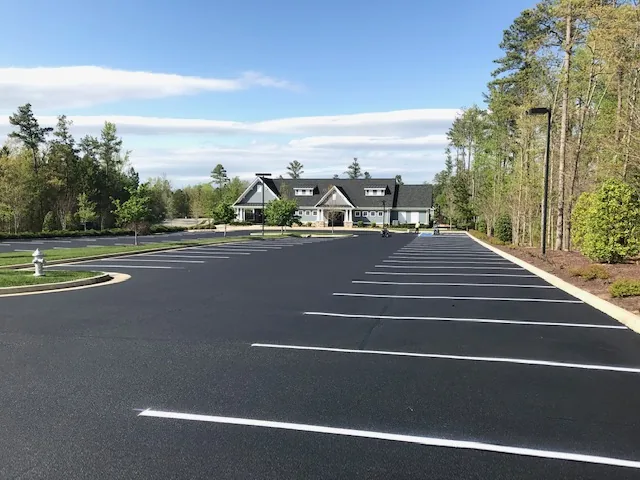
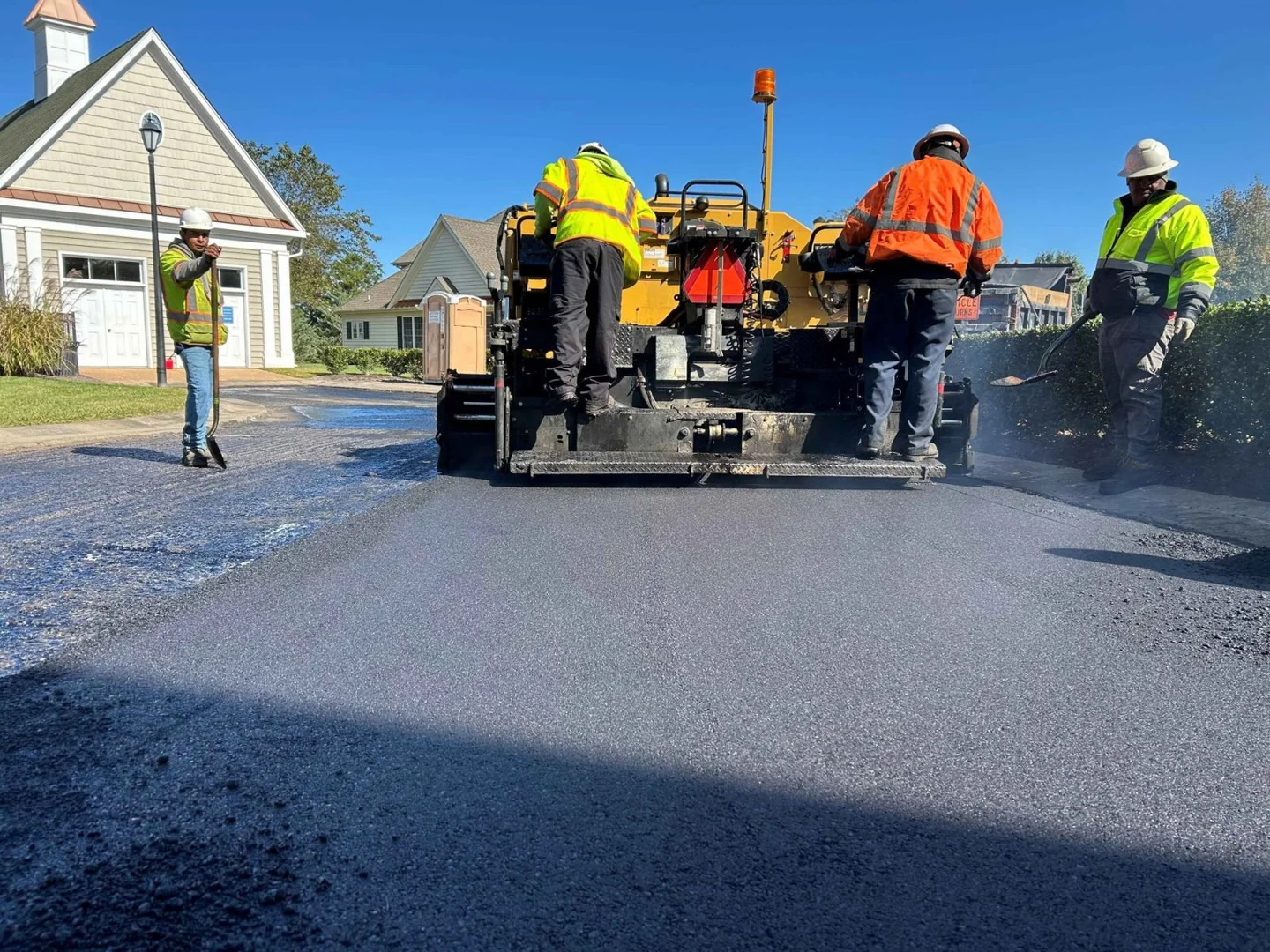
Parking lot resurfacing adds a new 1.5–2-inch compacted asphalt layer over structurally sound pavement. Unlike crack filling or parking lot sealcoating, resurfacing restores the driving surface without the full removal and rebuilding required for reconstruction.
| Treatment | What It Does | When to Use It | Typical Service Life |
|---|---|---|---|
| Crack Filling | Seals cracks to help limit water intrusion | Isolated cracks in otherwise stable pavement | 1–3 years |
| Sealcoating | Adds a protective coating over existing asphalt | Faded or aging pavement without major structural damage | 2–3 years |
| Resurfacing | Adds a new compacted asphalt layer over prepared pavement | Widespread surface deterioration with a sound underlying structure | 10–15 years |
| Reconstruction | Removes and rebuilds failed pavement and base materials as needed | Widespread structural or base failure | 15–25+ years |
Some projects require milling and resurfacing services to remove deteriorated asphalt or correct pavement elevations before contractors install the new overlay.
When Resurfacing Is Not Enough
Asphalt parking lot resurfacing cannot fix widespread base failure, which may appear as extensive alligator cracking, significant rutting, persistent drainage problems, or major depressions. These are warning signs, not automatic replacement thresholds. A professional pavement assessment will help property owners determine the right repair solution for their property.
Signs Your HOA Parking Lot Needs Resurfacing
Walk the lot and look for these common warning signs:
Longitudinal or transverse cracks: Long cracks allow water into the pavement. Widespread cracking may indicate it is time to resurface.
Raveling: A rough, crumbling surface means the asphalt is deteriorating. Extensive raveling may require resurfacing.
Fading or oxidation: Gray, faded asphalt signals aging. An assessment can determine whether maintenance or resurfacing is appropriate.
Rutting: Depressions in vehicle paths can indicate pavement deformation or structural problems. Significant rutting needs professional evaluation.
Alligator cracking: Interconnected, scale-like cracks often point to structural failure. Failed areas usually need repair before resurfacing.
Potholes: Holes indicate pavement failure, often worsened by water intrusion. Widespread damage may require repairs before resurfacing.
HOA Parking Lot Resurfacing Costs
Parking lot resurfacing cost is typically priced per square foot. Virginia pricing varies based on pavement condition, project scope, labor, and material costs.
Key Resurfacing Parking Lot Factors
Lot size: More pavement requires more material and labor.
Pavement condition: Damage may require additional preparation or repairs.
Overlay thickness: Thicker overlays require more asphalt.
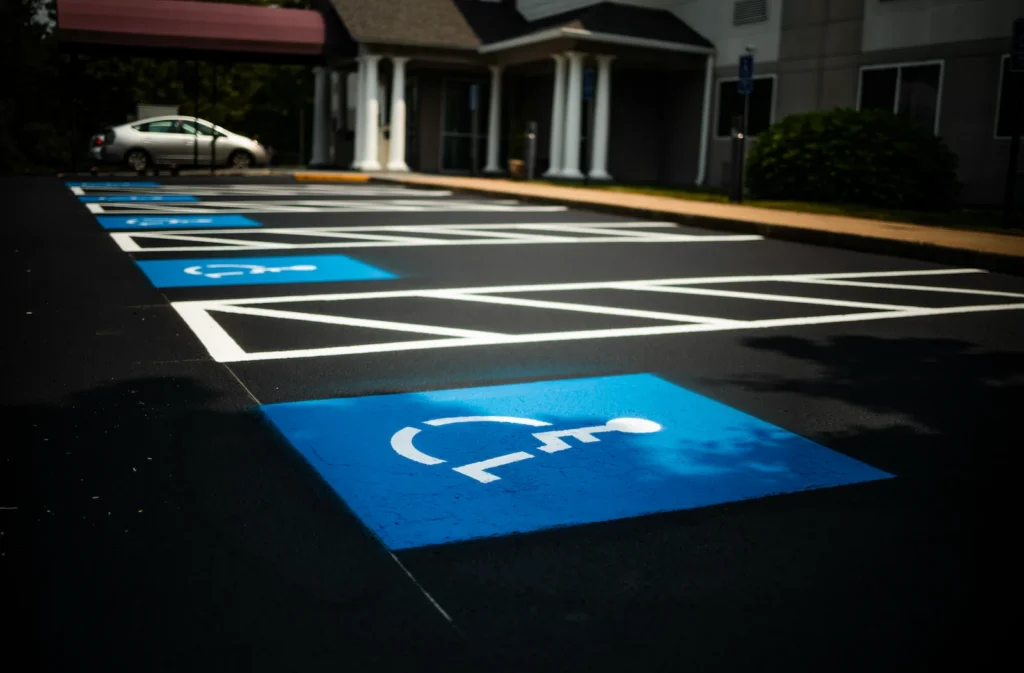
Striping and ADA work: ADA parking compliance services may add to the scope.
Milling and repairs: Milling or full-depth repairs increase costs.
Labor and materials: Regional costs affect Virginia pricing.
Planning for the Expense
Resurfacing a parking lot should be part of long-term HOA reserve planning. Virginia requires covered associations to conduct reserve studies at least every five years and review them annually. This helps boards plan for pavement life and future costs. Routine crack repair and parking lot sealcoating can additionally help extend pavement life between major projects.
What to Require in Contractor Bids
Bids from parking lot resurfacing companies should clearly define what the HOA is paying for, including:
Surface preparation
Compacted overlay thickness
Asphalt mix/specifications
Milling or full-depth repairs
ADA-related work, pavement markings and striping
Project phasing and access requirements
A detailed scope makes bids easier to compare and reduces the risk of unexpected costs or missing work.
How to Choose a Parking Lot Resurfacing Contractor
When comparing parking lot resurfacing companies near you, evaluate the contractor rather than the bid alone:
Virginia licensing and insurance: Verify current credentials and appropriate coverage.
HOA/commercial experience: Look for relevant projects and references.
Clear communication: Choose a contractor who explains the scope, schedule, and potential issues.
Reputation and references: Review comparable HOA or commercial work.
Occupied-community experience: Confirm they can coordinate residents, traffic, and phased work.
Red flags: No relevant references, unclear answers, unverifiable credentials, poor communication, or a suspiciously low bid without a clear explanation.
Common HOA Resurfacing Mistakes
Avoid these common mistakes that can increase costs or shorten pavement life:
Waiting too long: Delaying work until structural failure is obvious can turn resurfacing into a more expensive reconstruction project.
Underbudgeting: Include striping and ADA-related work along with asphalt.
Choosing the lowest bid: Compare scope and specifications before comparing price.
Ignoring base failure: Repair failed pavement and base issues before resurfacing.
Maintaining Your Resurfaced Parking Lot
Regular maintenance helps your HOA get more life from newly resurfaced asphalt. Use this timeline as a planning guide and adjust it based on pavement condition, traffic, and contractor recommendations.
| Timeline | Recommended Action |
|---|---|
| Year 0 | Complete resurfacing |
| Year 1 | Inspect pavement and fill cracks as needed |
| Years 3–5 | Sealcoat when appropriate |
| Years 5–10 | Continue inspections and crack filling |
| Year 10 | Schedule a pavement condition assessment |
| Years 12–15 | Evaluate the need for the next resurfacing cycle |
Consistent inspections, crack repair, and preventive maintenance can help catch problems early and protect the HOA’s pavement investment.
Parking Lot Resurfacing FAQs
How long does parking lot resurfacing last?
A properly installed overlay can last about 10–15 years. Traffic, drainage, pavement condition, and maintenance affect its lifespan.
What is the asphalt parking lot resurfacing cost?
The cost of asphalt parking lot resurfacing varies depending on preparation, overlay thickness, repairs, labor, and location.
What is the difference between resurfacing and sealcoating?
Sealcoating protects existing asphalt, while resurfacing adds a new 1.5–2-inch compacted asphalt layer. Resurfacing addresses more advanced surface deterioration.
Can a parking lot be resurfaced in sections?
Yes. Experienced contractors will phase the work to keep portions of an HOA parking lot accessible during the project.
Does my HOA parking lot need resurfacing or replacement?
Resurfacing may work when the pavement base remains sound. Widespread structural failure, severe rutting, or persistent drainage problems may require reconstruction.
How do I compare parking lot resurfacing companies near me?
When comparing parking lot resurfacing companies near you, check Virginia licensing, insurance, HOA experience, references, and written scopes.