Resealing helps protect asphalt from water intrusion, UV damage, oxidation, and everyday wear, reducing the risk of premature deterioration and costly repairs.
With more than 55 years of experience serving commercial properties across Virginia, Finley Asphalt & Concrete understands how regional conditions impact pavement performance. We’re here to help local business owners understand how often to reseal their commercial asphalt. This guide covers recommended resealing schedules, key factors that influence timing, and the warning signs that indicate it’s time for maintenance.

What Is Asphalt Resealing and Why It Matters
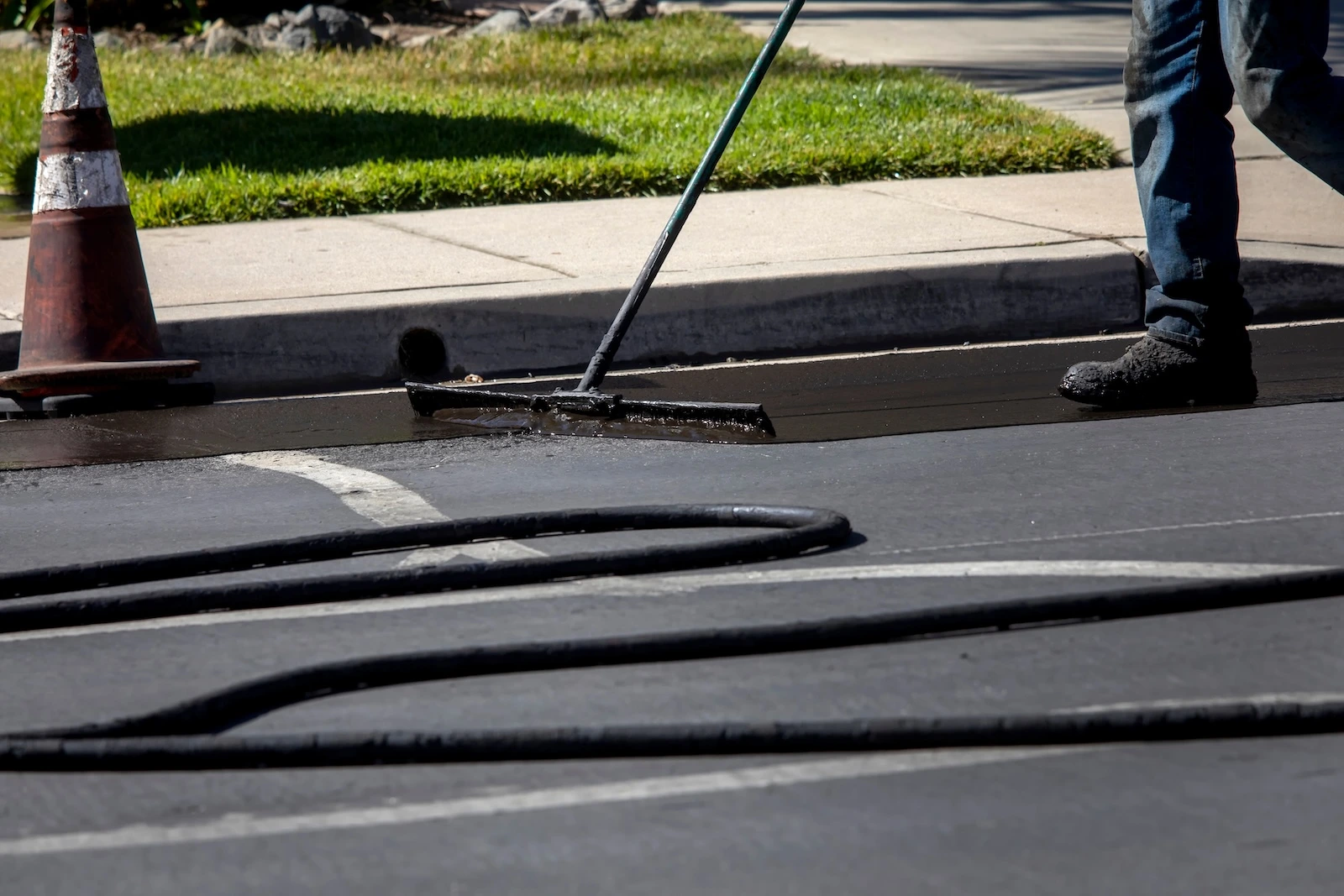
Sealcoating is the process of applying a protective coating on asphalt. It acts as a protective barrier, preventing water intrusion, oxidation, and UV damage that can lead to cracking, potholes, and premature deterioration. Maintaining proper asphalt reseal frequency is a key part of commercial parking lot maintenance and can significantly extend pavement life.
The Science Behind Asphalt Deterioration
Asphalt contains oils that naturally keep pavement flexible. But UV exposure and oxidation gradually dry them out and make the surface brittle. Water entering small cracks can weaken the pavement structure beneath, while Virginia’s freeze-thaw cycles cause cracks to widen over time. Left untreated, minor surface issues can develop into larger repairs or structural failures.
Financial Impact of Proper Maintenance
Routine resealing helps protect pavement before major damage develops, while full replacement is typically needed when widespread cracking, potholes, or base failure occur. Maintaining a consistent asphalt sealcoating schedule, often every few years, is far more affordable than prematurely replacing an entire parking lot.
Recommended Resealing Schedule for Commercial Properties
While every property is different, the general recommendation for how often to reseal commercial asphalt in Virginia is every 2–3 years.
General Sealcoating Scheduling Guidelines
- Office parks: Every 3 years
- Retail centers: Every 2–3 years
- Industrial facilities: Every 18–24 months
- Truck courts and loading areas: Every 18–24 months
At Finley Asphalt & Concrete, we recommend annual pavement inspections to identify issues before they escalate into costly repair issues.
New Asphalt Installation Timeline
New asphalt should typically cure for 6–12 months before receiving its first sealcoat. Waiting allows the pavement to properly harden and ensures better sealcoat performance.
Established Pavement Maintenance Schedule
After the initial application, most commercial properties can follow a 2–3 year resealing cycle, supplemented by annual inspections and timely crack repairs.
High-Traffic Area Adjustments
High-traffic properties such as shopping centers, gas stations, loading docks, and truck courts often require resealing every 18–24 months. Increased traffic and heavier vehicle loads can wear down protective sealcoating faster than standard commercial parking lots.
Signs Your Commercial Asphalt Needs Resealing
Even if your property is following a standard maintenance schedule, it’s important to monitor pavement conditions throughout the year. Certain warning signs may indicate your asphalt needs attention sooner than expected.
Early Warning Signs
Watch for these common indicators:
- Pavement color fading from black to gray
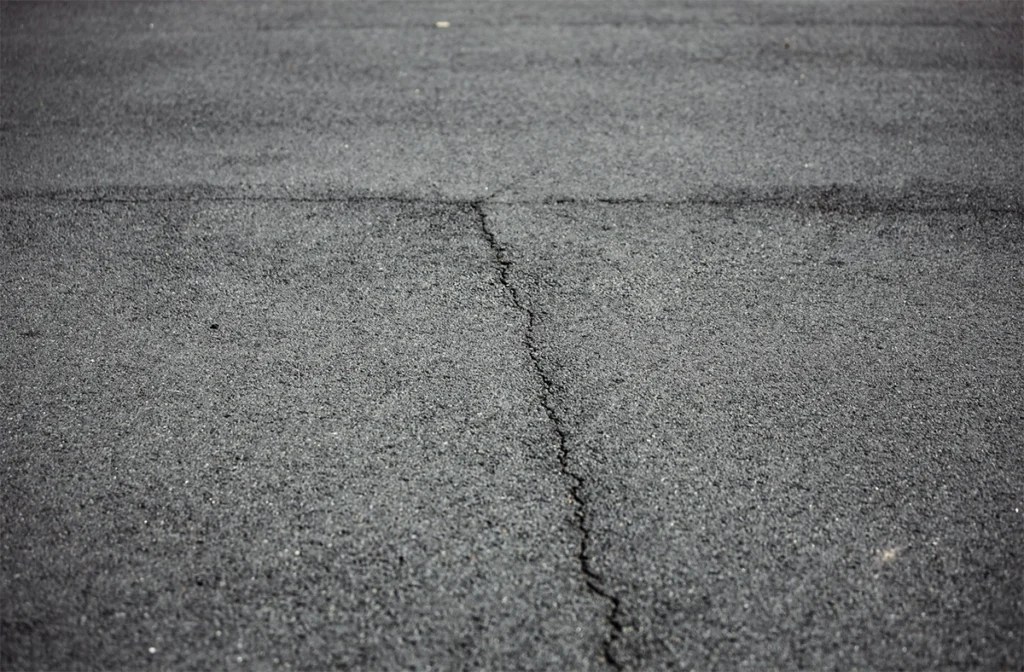
- Small surface cracks beginning to form
- Water no longer beading on the surface
- Areas that appear dry or brittle
- Minor raveling or loose aggregate
These issues suggest that the existing sealcoat is wearing away, exposing the asphalt to damage.
Critical Indicators Requiring Immediate Action
Some warning signs require urgent attention:
- Widespread cracking
- Standing water after rain
- Vegetation growing through cracks
- Areas of surface deterioration
- Potholes beginning to form
If damage becomes severe, resealing alone may not be enough. Structural issues such as alligator cracking, extensive potholes, or base failure require professional asphalt repair before a new sealcoat application.
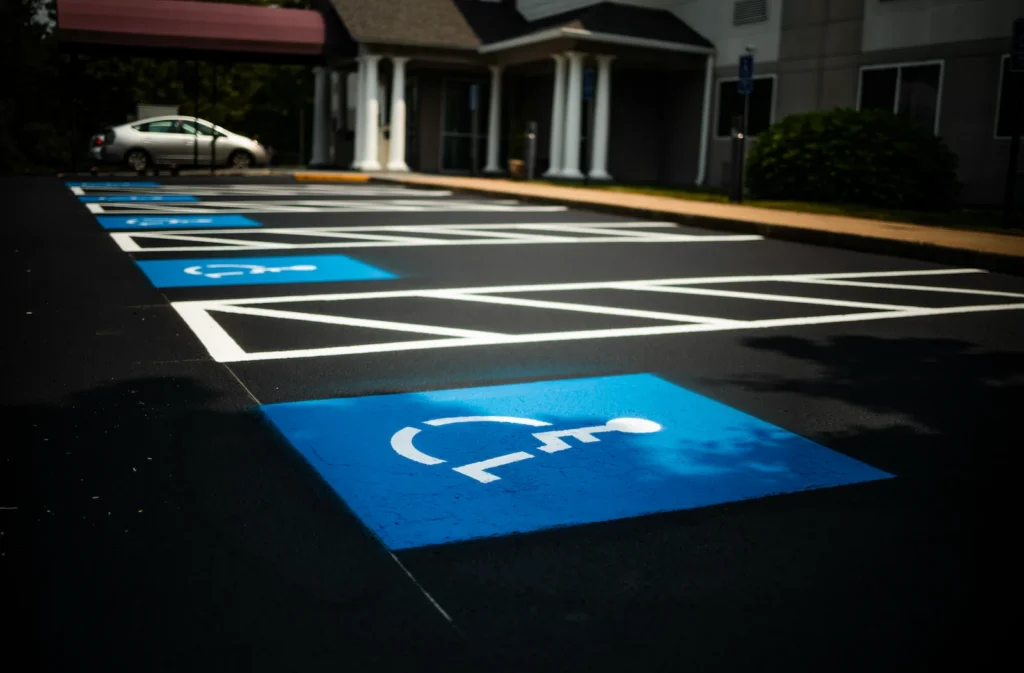
Tip: As sealcoating wears away, pavement markings often become less visible, making it a good time to evaluate your pavement’s striping and ADA parking compliance requirements.
Factors That Affect Resealing Frequency in Virginia
While the general asphalt reseal frequency recommendation is every 2–3 years, factors such as weather, traffic, and usage patterns can shorten or extend that timeline.
Virginia Climate Considerations
Freeze-thaw cycles in Northern Virginia can cause small cracks to expand as water repeatedly freezes and thaws within the pavement. Whether you’re managing a property in a coastal market or you require Richmond commercial paving, Virginia’s humidity and seasonal weather patterns can accelerate oxidation and overall pavement deterioration.
Traffic and Usage Patterns
Heavy truck traffic wears down sealcoating faster than standard passenger vehicle use due to increased weight and friction. Frequent turning movements, stop-and-go traffic, and constant vehicle activity can also wear away the protective coating more quickly, shortening the interval between resealing applications.
Environmental Factors
Tree coverage, sap, leaf debris, winter salt, and poor drainage accelerate surface wear by trapping moisture and accelerating oxidation. Managing water runoff and keeping the pavement clean helps preserve your sealcoat’s protective barrier and reduce premature deterioration.
Common Mistakes Property Owners Make
Even the best asphalt sealcoating schedule can’t compensate for poor maintenance practices.
Common mistakes include:
- Waiting too long: Increases the risk of cracks and water damage.
- Ignoring drainage issues: Standing water can accelerate pavement deterioration.
- Resealing damaged pavement: Sealcoating won’t fix underlying pavement problems.
- Choosing the lowest bid: Poor preparation can lead to shorter-lasting results.
Timing Errors
Resealing too early can prevent new asphalt from curing properly, while waiting too long can leave pavement exposed to cracks and water damage. Sealcoating should also be applied during dry weather with temperatures above 50°F, as rain, excessive humidity, or cold temperatures can affect adhesion and curing.
Contractor Selection Mistakes
Choosing a contractor based on price alone can be costly in the long run. Reputable commercial asphalt contractors will properly clean the pavement and perform necessary repairs, such as asphalt crack filling, before installing the sealcoat.
Contractors who skip these preparation steps may have lower upfront costs, but the sealcoat often fails sooner and requires more frequent maintenance over time.
Professional vs DIY Resealing for Commercial Properties
While DIY sealcoating may work for small residential surfaces, commercial properties typically have larger pavement areas and heavier traffic loads, making professional service a better long-term investment.
Professional Advantages
Professional contractors use commercial-grade equipment, high-quality materials, and proven surface preparation methods. They also understand proper weather conditions and curing requirements to maximize results.
When DIY Isn't Appropriate
DIY resealing is rarely practical for large parking lots, truck courts, loading areas, or other high-traffic commercial properties. Professional application reduces liability concerns and may provide warranty protection that DIY projects cannot offer.
Frequently Asked Questions
How much does commercial asphalt resealing cost in Virginia?
Commercial asphalt resealing is typically priced per square foot. Pricing depends on factors such as pavement condition, property size, and the amount of surface preparation required.
Can you reseal asphalt in winter in Virginia?
Sealcoating should only be applied when temperatures remain above 50°F and conditions are dry. While winter applications may be possible during warmer periods, spring and fall generally provide the best results.
How long does sealcoat last on commercial parking lots?
Most commercial sealcoating applications last 2–3 years in Virginia. High-traffic properties may require more frequent maintenance.
What's the difference between crack filling and resealing?
Crack filling seals individual cracks to prevent water intrusion, while resealing protects the entire pavement surface. Both are important parts of a commercial asphalt maintenance plan.
Should you power wash before resealing commercial asphalt?
Yes. Proper surface preparation, including pressure washing, helps remove dirt, oil, and debris so the sealcoat can bond properly to the pavement surface.