Asphalt Milling, Resurfacing & Repaving in Virginia, Maryland & DC

Restore Pavement with Asphalt Milling & Resurfacing

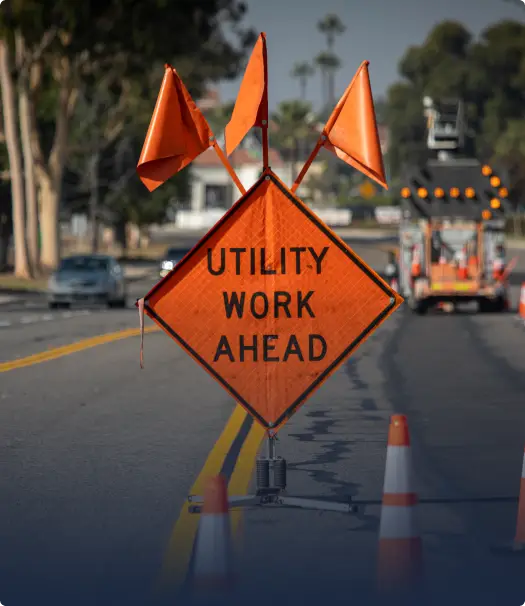
Pavement wear often shows up in everyday moments. A delivery truck may deepen a rut, or a low area may hold water longer than before. These changes can be early signs that the surface may benefit from rehabilitation methods such as asphalt milling or overlay, which restore dependable pavement conditions.

Asphalt milling, resurfacing, and repaving address different levels of wear across commercial lots, community streets, and public roadways. The right choice depends on the pavement’s condition and how the property is used.

Finley Asphalt & Concrete brings more than 55 years of experience servicing Virginia, Maryland, and the DC region with milling and resurfacing. Our teams rely on detailed evaluations, specialized equipment, and proven methods to deliver consistent results for shopping centers, HOAs, industrial facilities, schools, and municipal projects.

If you are ready to take the next step with your pavement project, contact our team to schedule an on-site evaluation.

Milling Vs. Repaving Vs. Resurface

Asphalt milling

What Is Asphalt Milling

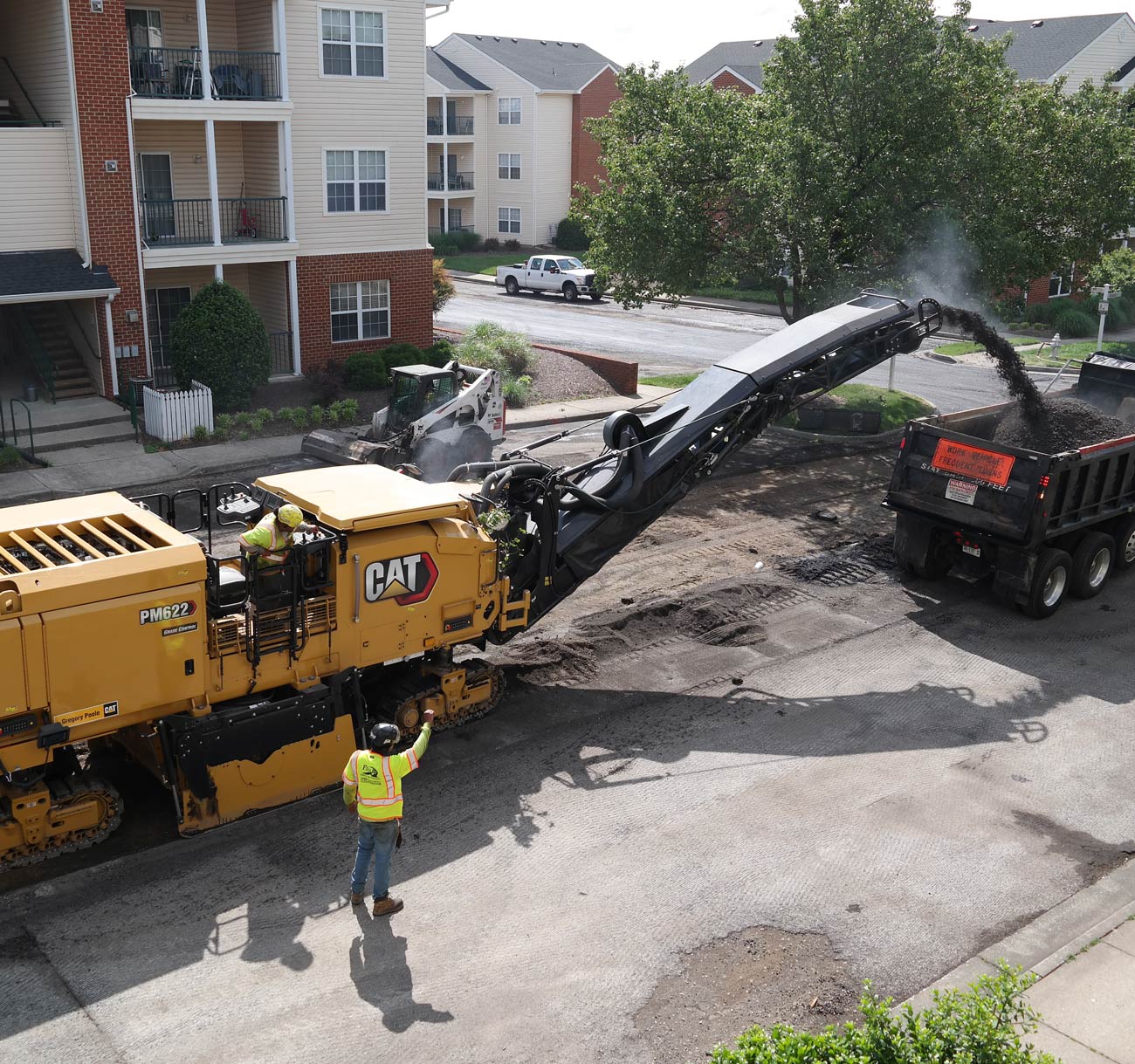
Asphalt milling removes the top layer of pavement at a controlled depth to correct grade issues, smooth surface irregularities, and prepare the area for a new overlay. Cold planers grind the asphalt into a consistent profile, with milling depths typically ranging from half an inch to several inches.

Milling is effective when the surface is worn but the base remains stable. It maintains proper elevations and curb reveal at transitions, drains, and ADA-accessible areas while creating a level foundation for resurfacing. The removed material can also be recycled or incorporated into asphalt reclamation processes on larger rehabilitation projects.

What Is Asphalt Resurfacing

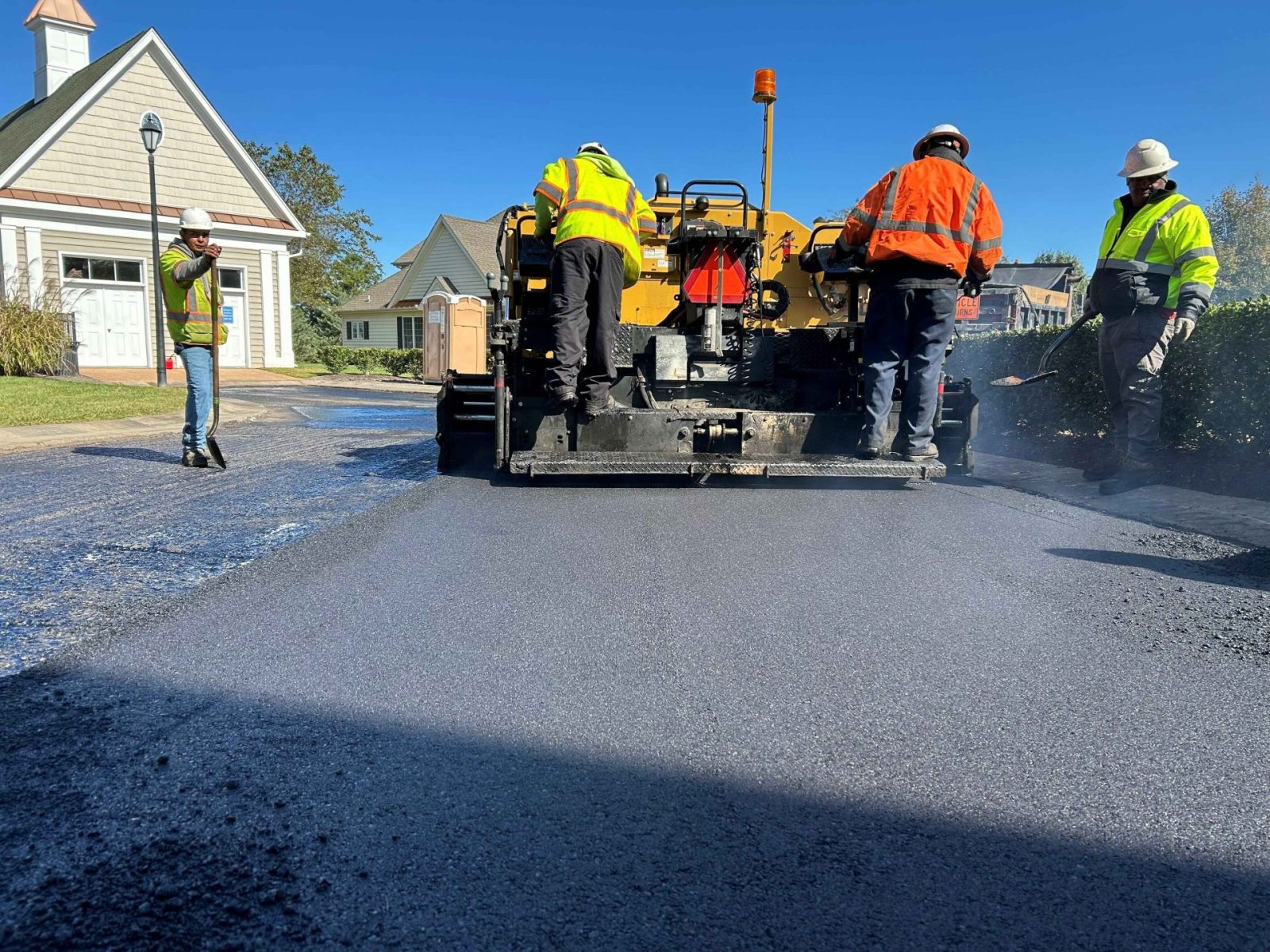
Asphalt resurfacing, often called an overlay, places a new asphalt layer over a prepared surface. It is a sensible option for commercial asphalt resurfacing projects where the pavement exhibits surface wear, cracking, or fading but lacks deeper structural issues. Most overlays range from 1.5 to 3 inches thick, depending on traffic demands.

A resurfaced pavement can provide 8 to 15 years of service with routine maintenance. It also improves appearance, drivability, and overall performance.

What Does It Mean to Repave Asphalt

Repaving is recommended when pavement damage extends below the surface, and the structure can no longer support daily traffic. Depending on the level of deterioration, the work may involve partial-depth or full-depth removal.

Partial-depth repaving replaces only the upper asphalt layers, while full-depth repaving rebuilds both the pavement surface and its supporting base. These improvements restore the strength needed for commercial traffic, delivery routes, and heavier equipment.

Preparation may also include targeted repairs such as skin patches for shallow distress, partial-depth patches for moderate failures, and full-depth patches for severe or structural damage. These steps help ensure the pavement is ready for long-term performance as part of Finley’s broader asphalt repair capabilities.
Asphalt Resurfacing vs Asphalt Replacement

Over time, asphalt pavement can fall prey to all kinds of issues. Continual foot and vehicle traffic can erode the surface, and weather conditions can worsen the presence of cracks.

In many cases, these issues are not severe enough to warrant a replacement; that is where resurfacing comes into the picture. Resurfacing removes minor surface damage or issues while applying an aesthetically pleasing new layer for your vehicle and foot traffic. Plus, it leaves a lasting impression on customers, visitors, and employees.

Signs You Need Milling, Resurfacing, Overlay or Repaving

Pavement damage can manifest in a variety of different ways, many of which are easy to miss.  Property owners and facility managers should look out for the following red flags that pavement rehabilitation is needed:

Fixing these problems early helps prevent more extensive damage and reduces the risk of premature structural failures and costly repairs later down the line.

Our Milling, Resurfacing, and Repaving Process

At Finley Asphalt & Concrete, we follow a simplified process broken down into the following steps:

Step 1: Pavement Assessment

Our team evaluates the pavement’s condition, drainage, and structural needs to determine whether milling, resurfacing, or repaving is the most effective approach.

Step 2: Determine Milling Depth and Requirements

If our contractors find that milling is the best solution, we identify the depth required to correct grade issues and prepare the surface for the next stage.

Step 3: Precision Milling

Cold planers remove the existing asphalt to the planned depth while maintaining proper elevations at any transitions, curbs, and drains.

A fresh asphalt layer is placed and compacted to create a smooth, durable surface suitable for your property’s traffic demands.

Step 5: Repaving When Needed

If we identify any structural failures, we perform partial-depth or full-depth removal to rebuild the pavement and restore support for heavier loads and traffic. 

Step 6: Final Compaction, Grading, and Quality Review

Crews complete final rolling, confirm proper drainage, and perform quality checks to ensure a consistent and long-lasting finish. These steps align with the broader asphalt and concrete services Finley provides—including repair, maintenance, and specialty solutions.

What Causes Asphalt Deterioration

In the Mid-Atlantic region, pavement is exposed to heavy traffic, seasonal weather shifts, and long periods of wear. Over time, these conditions begin to show across commercial lots and roadways. 

Taking action early allows properties to correct underlying issues, improve performance, and maintain a dependable surface for daily operations.

The main culprits behind asphalt deterioration include: 

  • Base instability from improper compaction or aging materials
  • Freeze-thaw cycles that expand cracks and weaken the surface
  • Long-term oxidation makes asphalt brittle and prone to cracking
  • Heavy vehicle loads from delivery trucks, buses, or equipment
  • Standing water caused by improper grading or clogged drains
  • Poor initial installation that leaves the pavement vulnerable to premature failure

Milling, Resurfacing & Repaving for Commercial, Industrial & Municipal Pavements

Some properties experience pavement wear from non-stop day-to-day vehicle traffic, while others face weather-related damage or daily loading activity. Commercial asphalt resurfacing, milling, and repaving provide businesses with reliable ways to strengthen their pavement and keep surfaces performing as they should.

These services are commonly used across:

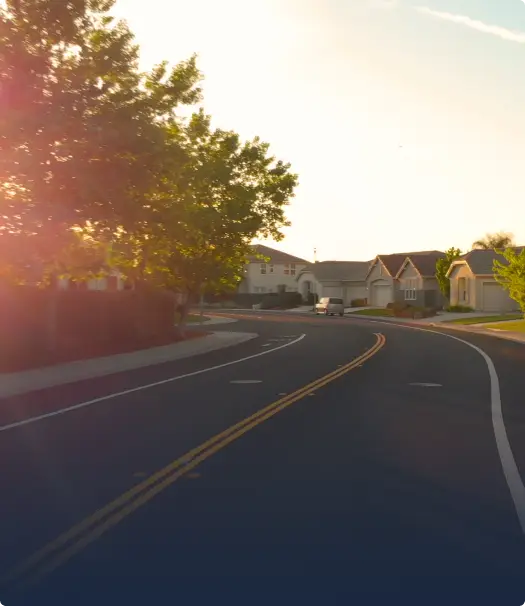
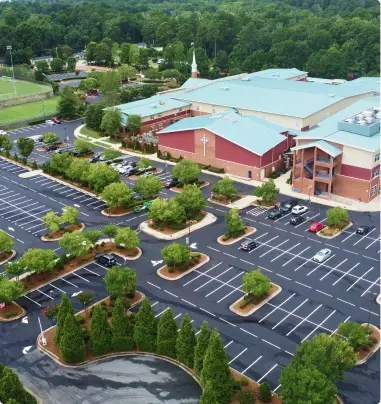
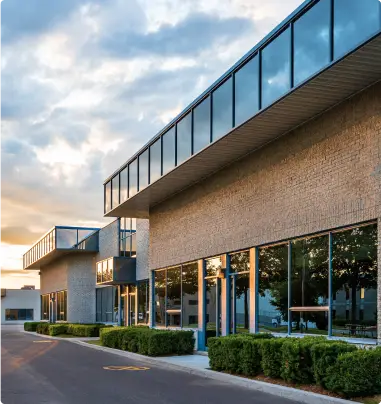
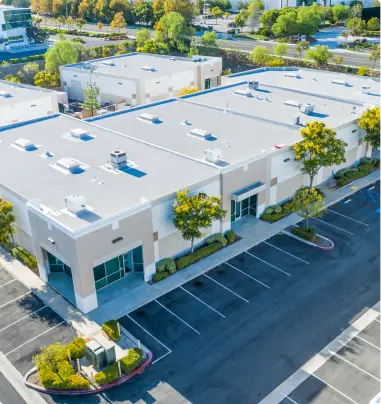
  • Parking lots and commercial campuses
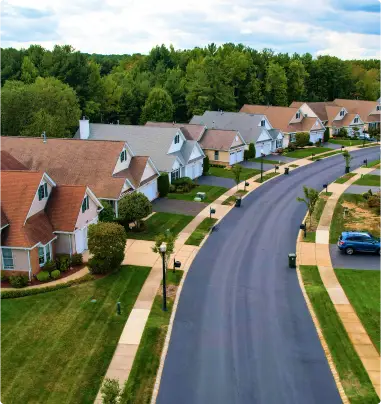
  • Community streets and HOA neighborhoods
  • Roadways and municipal routes
  • Schools and university properties
  • Industrial yards and distribution centers
  • Retail centers with frequent customer traffic
  • County facilities and public access areas

Finley Asphalt & Concrete adapts each project to the site’s needs, whether it calls for smoother driving areas, improved drainage, or deeper structural work. Our team looks at everything from traffic patterns and site conditions to your long-term goals, helping us to recommend the solution that delivers the strongest results for your pavement.

Milling, Resurfacing, and Repaving Cost Factors

Understanding these factors helps guide planning for both short-term improvements and longer-term capital projects.

Several factors influence project pricing, including:

How Long Does Milling and Resurfacing Last

A well-prepared, high-quality resurfacing project typically lasts 8 to 15 years, providing properties with a reliable surface that can withstand daily use. Actual lifespan depends on factors such as traffic volume, weather patterns, drainage performance, and the overall condition of the base. 

Properties that follow a consistent maintenance routine, including timely repairs, will enjoy a longer-lasting pavement.

Should You Resurface, Repave, or Replace Asphalt?

Not all pavement damage requires the same level of repair. Some issues can be fixed at the surface, while others call for deeper structural work. This chart makes it easier to see which solution aligns with the pavement’s current condition.

Situation

Resurface

Repave

Replace

Surface-level damage


Stable base


Cosmetic issues


Moderate deterioration


Drainage issues


Base failure / structural cracking


Long-term investment needs


Why Choose Finley for Milling, Resurfacing, and Repaving

Finley Asphalt & Concrete has served Virginia, Maryland, and the DC region for more than 55 years, supporting commercial and municipal properties throughout the Mid-Atlantic. Our crews are experienced in high-traffic environments and use specialized equipment to complete asphalt milling, resurfacing, and repaving with accuracy and efficiency.

As a self-performing milling and paving contractor, Finley completes all projects with in-house crews rather than subcontractors, ensuring consistent quality and project control from start to finish. Property managers value our ability to plan around active sites, coordinate traffic needs, and deliver dependable results for HOAs, retail centers, industrial facilities, and public agencies.

Asphalt Milling & Resurfacing FAQs

What is the difference between resurfacing, repaving, and replacing asphalt?

Resurfacing adds a new asphalt layer over the existing base after the surface has been prepared. 

Repaving goes a step deeper by removing damaged asphalt and repairing the areas below it when needed. 

Replacement is the most extensive option and involves removing the entire pavement structure and rebuilding it from the ground up.

If you are seeing deep cracks, ongoing drainage issues, or spots that continue to sink or break apart, repaving may be the best option. Lots that need constant patching or no longer support traffic without deforming are also strong candidates for repaving.

Most projects take one to three days to complete. The timeline depends on the size of the lot or roadway, the ease of site access, and the weather during construction. Our crews plan work in phases to minimize disruption.

Asphalt milling does create some noise, but the work is usually done in manageable sections that allow businesses to keep operating. Our teams coordinate schedules with property managers to limit disruptions and maintain safe access throughout the project.

Yes, but those repairs happen before the new asphalt layer is installed. Potholes, cracks, and other damaged areas are prepped and repaired first so the overlay has a smooth, stable surface to bond to.

Asphalt overlay thickness ranges from 1.5 to 3 inches. The proper thickness depends on the amount of traffic the pavement can handle and the condition of the existing surface.

Not always. If the pavement has structural problems or the base has failed, resurfacing will not address the underlying issues. In those cases, repaving or replacement offers a longer-lasting solution.

Key Benefits

Leading Causes of Pavement Deterioration

Pavement decays for various reasons, some of the most common being:

Our Service Areas

Virginia’s Premier Paving & Concrete Provider

Finley Asphalt & Concrete is the trusted name for reliable maintenance, repair, and installation services in communities throughout the Mid-Atlantic

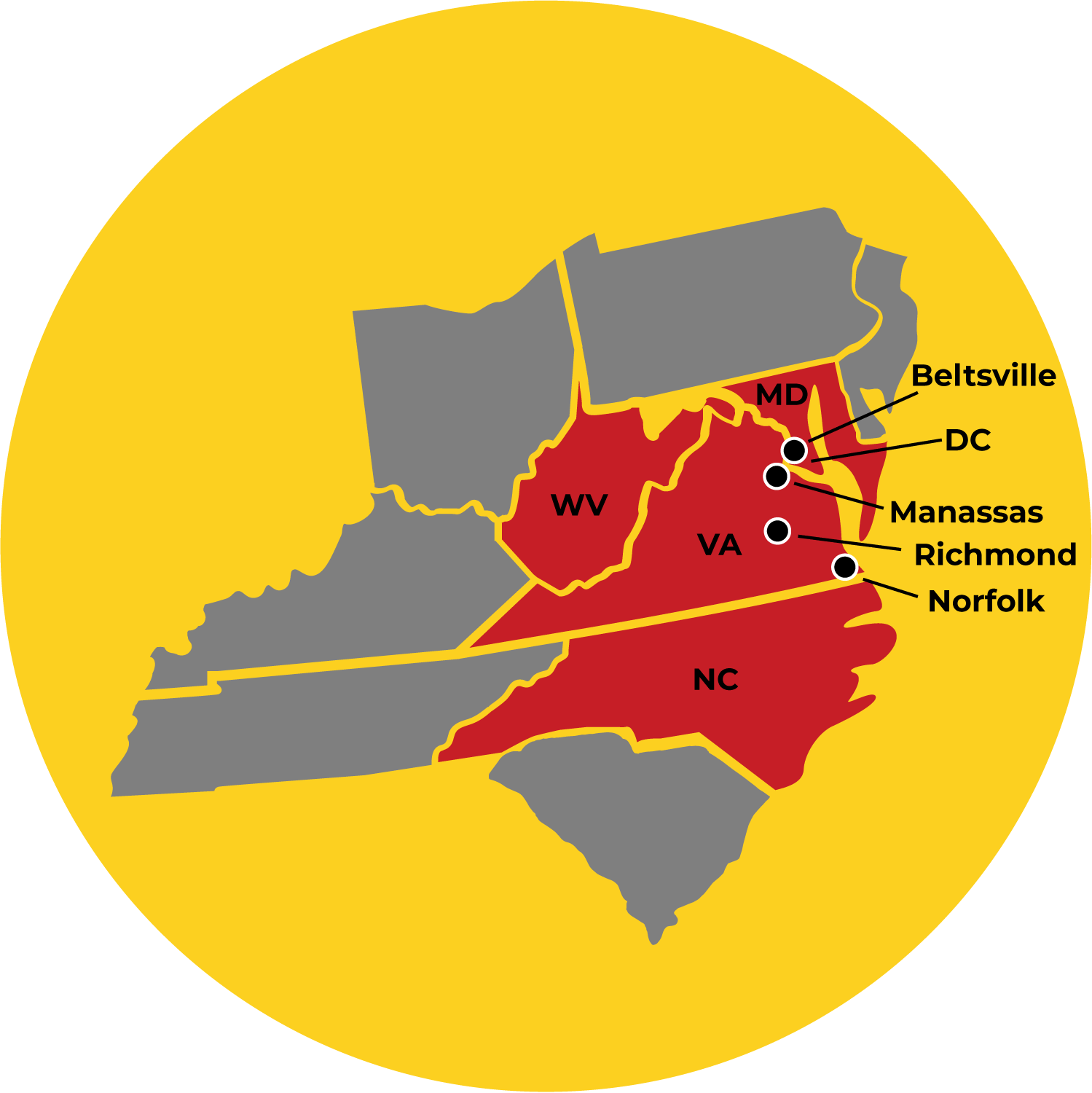
As your locally owned and operated paving provider, we serve clients throughout Virginia, West Virginia, North Carolina, DC, and Maryland. Wherever you are, we’ll come to you. Our local knowledge allows us to make decisions in the best interest of your specific project.

Our Offices:

7861 David Williams Way
Bristow, VA 20136
P.O. Box 1710
Manassas, VA 20108

12196 Washington Hwy
Ashland, VA 23005
PO Box 27385
Richmond, VA, 23261

999 Waterside Drive
Suite 2525
Norfolk, VA 23510
PO Box 163, Beltsville
MD, 20704
Have a job that isn’t within our service area? No problem. Our Pave America partners are here to help.
finley service locations

Milling, Resurfacing, and Repaving Services Across VA, MD, and DC

Finley provides pavement rehabilitation throughout the region, supporting properties in:

  • Fairfax, Arlington, Alexandria, and Loudoun County
  • Prince William and Stafford County
  • Montgomery and Prince George’s County
  • Washington, DC
  • Additional surrounding communities

Our service area allows our teams to respond efficiently to projects across commercial campuses, community neighborhoods, and municipal sites.

Maximize Pavement Lifespan With Routine Maintenance

These services help reduce long-term repair costs and maintain a safe, dependable surface year-round. Properties that address smaller issues early often minimize the need for extensive rehabilitation later.

Pavement that receives regular upkeep typically performs better and lasts longer. Maintenance practices that support resurfaced or repaved areas include:

Schedule Your Milling, Resurfacing, or Repaving Service

Small pavement problems often reveal themselves in everyday moments, like a delivery truck creating a deeper rut or a pedestrian stepping around a low spot that holds water. These situations are reminders that timely repair or rehabilitation keeps your property functioning the way it should.

Finley Asphalt & Concrete provides asphalt milling, resurfacing, and repaving services that support commercial and municipal sites across Virginia, Maryland, and the DC region. Our team can evaluate your pavement, identify the source of the problem, and recommend the approach that offers the most dependable results.

Schedule your on-site assessment and get a milling quote today.