Sealcoating is one of the most effective ways to maintain asphalt pavement and extend its lifespan.
Over time, asphalt surfaces are exposed to sunlight, water, vehicle traffic, and chemical spills. Sealcoating provides a protective layer that helps slow this natural deterioration.
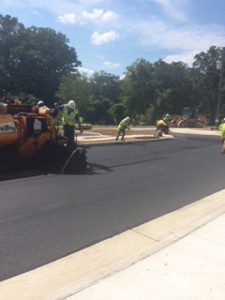
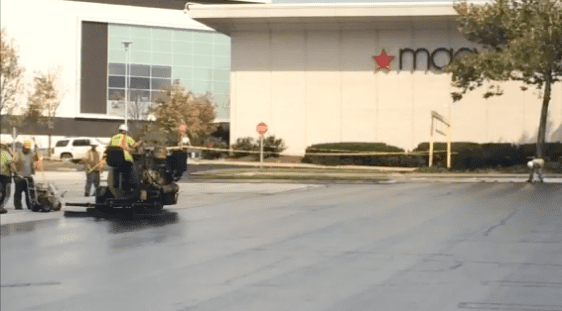
Here’s how the sealcoating process typically works:
Surface preparation
The pavement is cleaned and prepared to ensure proper adhesion.
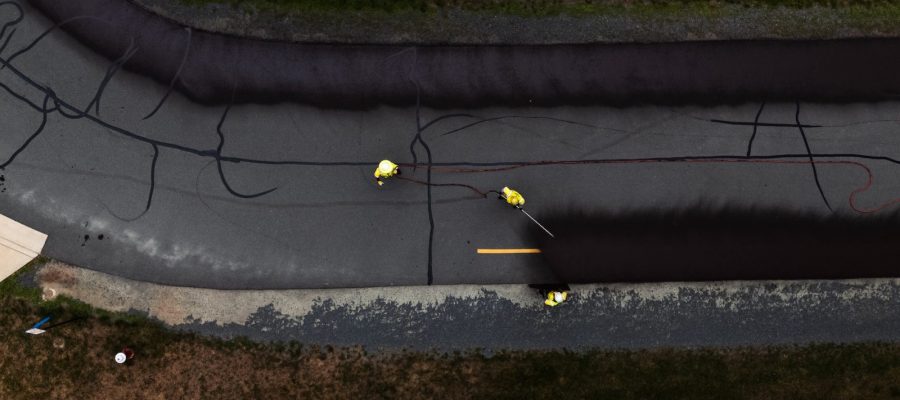
Crack filling
Visible cracks are filled to prevent water infiltration.
Sealcoat application
A protective coating is applied evenly across the surface.
Striping
Parking lines and markings are refreshed once the sealcoat cures.
Protect Your Pavement with Routine Sealcoating Services
Sealcoating is also commonly completed alongside other routine pavement maintenance services. Crack filling is typically performed before sealcoating to seal open cracks and prevent water from reaching the base layer of the pavement. Once the sealcoat has cured, line striping restores parking stalls, directional arrows, and other markings to improve visibility and traffic flow.
When performed regularly, sealcoating can significantly extend pavement life and improve the overall appearance of a property.
Spring is a popular time to schedule these projects before summer heat and peak property traffic.