Asphalt maintenance includes routine inspections, crack filling, sealcoating, drainage upkeep, and timely repairs that slow deterioration before pavement develops larger structural problems.
At Finley Asphalt & Concrete, we pave and maintain commercial parking lots, HOA roads, and municipal pavement throughout Virginia and the Mid-Atlantic. Here’s everything you should know about preserving your pavement’s lifespan with professional asphalt paving maintenance and the common mistakes to avoid that shorten pavement life.
How Long Does Asphalt Pavement Last?
Commercial parking lots and private roads typically last 15–25 years. Installation quality, base preparation, vehicle weight, drainage, climate, and maintenance history all affect asphalt pavement life. Routine maintenance extends useful service life but does not correct a failed base or major structural deterioration.
How Virginia’s Climate Shortens Pavement Life
Virginia’s freeze-thaw cycles widen existing cracks as water enters the pavement and repeatedly freezes and thaws. Summer heat and UV exposure also accelerate oxidation, while standing water and poor drainage expose Mid-Atlantic pavement to additional moisture-related deterioration.
A Practical Asphalt Maintenance Schedule
A consistent asphalt maintenance schedule addresses small problems before they spread, but no single timeline fits every property. Traffic, pavement condition, drainage, climate, and installation quality determine when commercial pavement needs service.
First Year After Installation
Let new asphalt cure before applying additional surface treatments, and limit unnecessary heavy traffic and sharp turns during the early curing period. Start with an inspection for cracks, drainage problems, or other early issues rather than automatically scheduling treatments based on pavement age.
Years 1–5: Inspection, Crack Filling & Sealcoating
Inspect the pavement regularly and fill developing cracks before water reaches deeper layers. Sealcoating protects the surface from weather and oxidation but does not repair structural damage. A 2–3 year interval provides a general benchmark, though traffic and pavement condition should guide the timing of parking lot sealcoating.
Years 5–15: Ongoing Maintenance & Repairs
Continue inspections, crack filling, localized repairs, and drainage maintenance based on pavement condition. Entrances, loading zones, drive-through lanes, and dumpster areas often deteriorate faster than standard parking stalls, so address damage in these high-traffic areas before it spreads.
Years 15+: Resurfacing or Replacement
Surface deterioration does not always require full replacement. When the underlying pavement remains structurally sound, milling and resurfacing restores the driving surface and extends its useful life. Extensive base or sub-base failure may require full-depth repair or reconstruction.
Commercial Asphalt Maintenance: What Property Managers Should Know
Commercial asphalt maintenance requires a more proactive approach because parking lots and loading zones face heavy traffic. Property managers, HOA boards, and multi-property operators should follow a planned inspection and asphalt paving maintenance schedule to avoid premature pavement failure.
Budgeting for Commercial Pavement Maintenance
Planned maintenance gives property managers more control over pavement budgets and reduces the risk of unexpected major rehabilitation. Identify deteriorating areas early, then prioritize maintenance based on pavement condition, traffic levels, and the severity of each problem.
High-Traffic Areas Need Extra Attention
Entrances, loading zones, drive-through lanes, dumpster areas, and heavy-truck routes absorb more repeated stress than standard parking spaces. Prioritize inspections and timely repairs in these areas to address localized deterioration before it spreads into surrounding pavement.
When Asphalt Maintenance Is No Longer Enough
Preventive maintenance protects pavement that remains in good condition, while repairs address localized damage. Resurfacing replaces a deteriorated surface over a stable pavement structure. Reconstruction addresses widespread structural or base failure that routine asphalt maintenance will not correct.
Signs of More Serious Pavement Problems
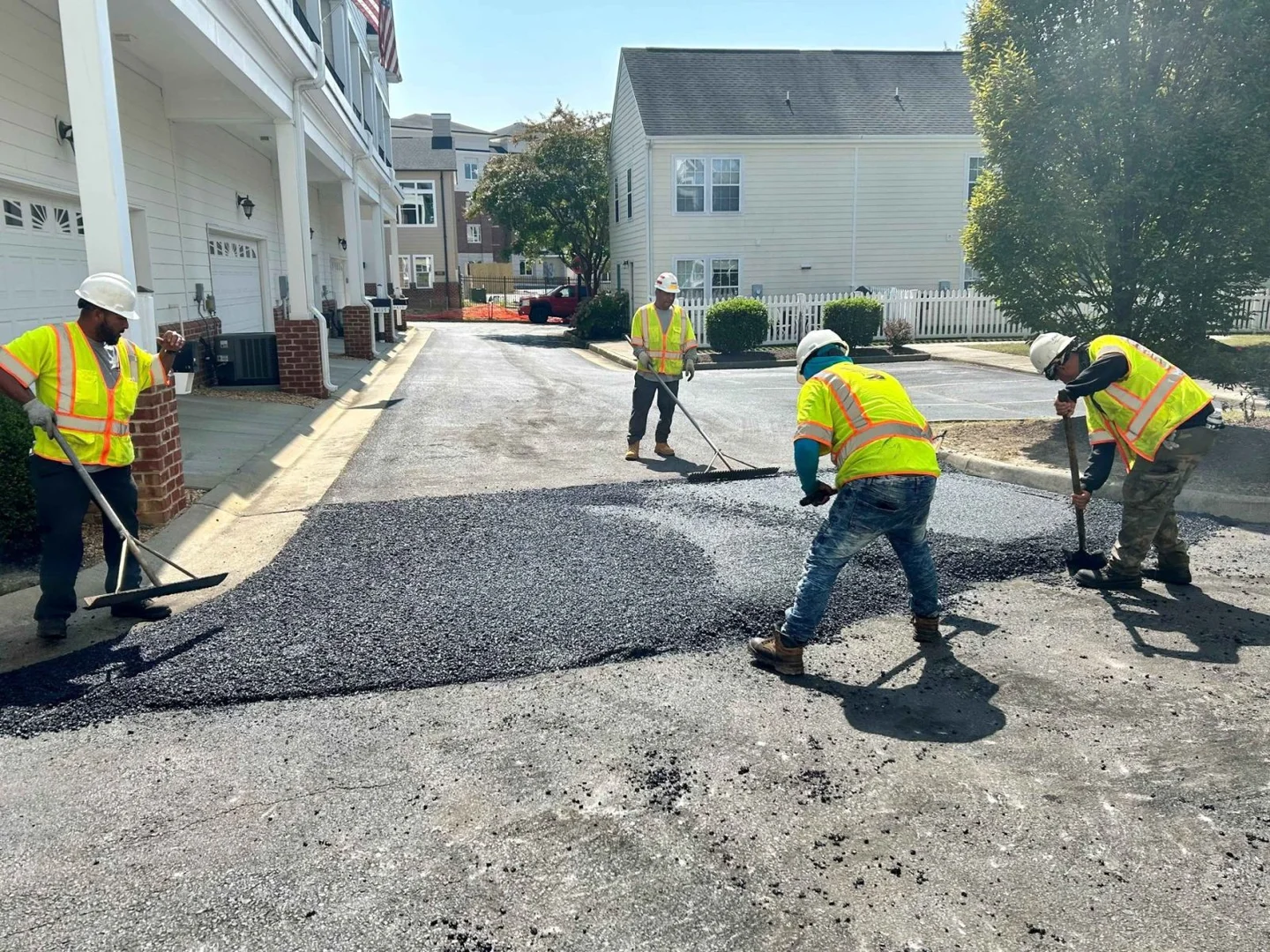
Watch for widespread alligator cracking, severe raveling, recurring potholes, and cracks that keep expanding despite previous repairs. These conditions point to deeper pavement problems, while localized deterioration may qualify for targeted methods, such as infrared asphalt repair.
Repair, Resurfacing or Replacement?
Repair works best for localized deterioration surrounded by sound pavement, while milling and resurfacing address broader surface deterioration when the underlying structure remains stable. Extensive structural or base failure may require reconstruction, and sealcoating will not correct these deeper pavement problems.
Common Asphalt Maintenance Mistakes to Avoid
Avoid these common mistakes that shorten pavement life and lead to larger repairs.
Sealcoating too frequently: Base timing on pavement condition, traffic, and previous treatments rather than automatically sealcoating every 2-3 years.
Ignoring drainage problems: Crack filler will not correct standing water or poor drainage that continues exposing pavement to moisture.
Overlaying damaged pavement without preparation: New asphalt needs a stable underlying surface. Structural cracking may return through an overlay if crews do not address the underlying cause.
Waiting to repair cracks: Address developing cracks before water intrusion and continued traffic worsen the damage.
Using the wrong treatment: Match sealcoating and repairs to the pavement condition, traffic, and previous treatments.
Ignoring pavement edges: Address edge cracking and erosion before deterioration spreads farther into the pavement.
Asphalt Maintenance FAQs
How often should commercial asphalt be sealcoated?
Schedule sealcoating every 2-3 years depending on traffic, weather exposure, pavement condition, and previous maintenance. Sealcoating protects the surface; it does not repair structural damage.
How often should a commercial parking lot be inspected?
Schedule a professional assessment at least once a year and monitor high-traffic areas more frequently. Regular inspections identify cracks, drainage problems, potholes, and other deterioration early.
When should a commercial parking lot be resurfaced?
Consider resurfacing when the surface shows widespread deterioration and the underlying pavement structure remains sound. Significant structural or base failure may require reconstruction instead.
How do asphalt maintenance and paving work together?
Asphalt maintenance preserves pavement through inspections, crack filling, sealcoating, and repairs. When deterioration exceeds the limits of routine maintenance, resurfacing or reconstruction addresses the more extensive problems.
How does ADA compliance affect commercial parking lot maintenance?
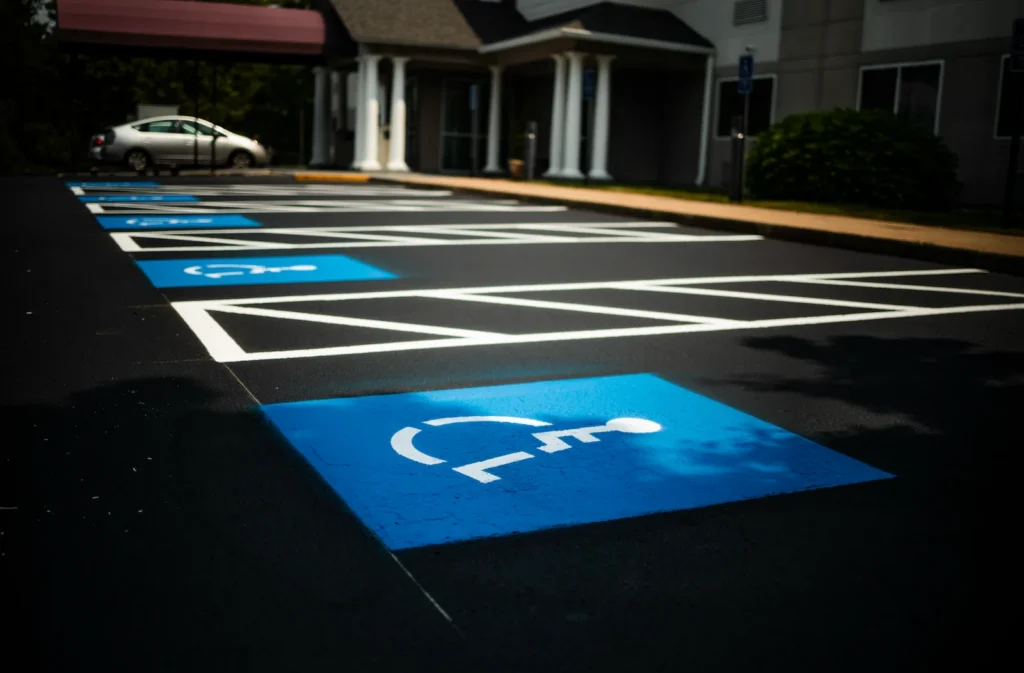
Property managers are required to maintain ADA parking lot compliance with accessible parking spaces, pavement markings, and signage.